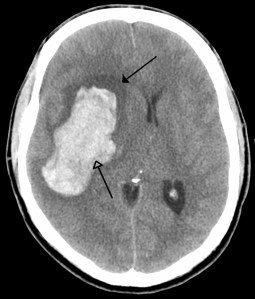
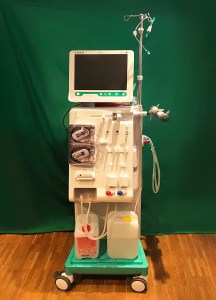
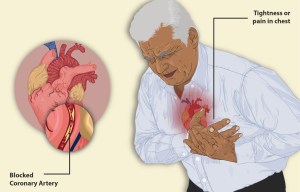
Hypertension causes inflammation and remodeling of vessels, therefore effecting and harming organs (brain, kidney, heart, eye/retina). Untreated hypertension is a major cause of strokes, heart attack, kidney disease, heart failure. Hypertension usually does not give any symptom until major organ damage.
Hypertension is easily diagnosed with blood pressure cuff. There are two values to know. Systolic blood pressure is measured when blood flow in your arm completely stopped by blood pressure cuff in certain pressure. Diastolic blood pressure on the other hand, is measured the sound of flow is inaudible. Blood pressure cuff is an unexpensive device and is also used for follow up of effectiveness of treatment. Therefore it is critical for a hypertensive patient to know how to properly measure blood pressure.
Treatment of hypertension is important. To give an example and estimate, each 20 mmHg systolic blood pressure increase after 115 systolic blood pressure, doubles patients risk of dying from vascular disease (stroke, heart attack, kidney failure). Even 10 mmHg decrease of systolic blood pressure decreases early death by more than 10%.
Some medical conditions contribute greatly to hypertension. These include obesity, sleep apnea, hormonal conditions, medications
Treatment before medications:
0) Take hypertension seriously.
1) Every 1 kg weight loss decreases 1 mmHg of systolic blood pressure (SBP)
2) Eating veggies, avoiding fat, sugar and salt decreases almost 15 mmHg systolic blood pressure (SBP). Maximum salt intake should be less than 1 teaspoon a day (about 2 grams, check salt content of packaged foods, ask about salt content in restaurants).
3) Exercising 30 minutes per day (this is brisk walking, not a heavy exercise) decreases around 5 mmHg SBP.
4) Decreasing alcohol intake <2 drinks/day for males, <1 drinks/day for females decreases around 5 mmHg SBP
5) Seeking treatment for sleep apnea especially if poor sleep, day-time sleeping, fatigue, snoring, and big neck circumference.

As you can imagine, hypertension is treatable with only lifestyle changes. However this is not easy and sometimes not effective. Therefore there are many blood pressure medication options. You will need to talk to your primary care physician to select .
To help your physician to treat hypertension, monitoring and recording blood pressure 3-7 days 3 times a day prior to visit greatly effect treatment decisions.
Sometimes we find uncommon reasons for hypertension. This is usually suspected when you follow lifestyle changes and require 3 or more blood pressure medications to control, or admitted to the hospital because of hypertension in severe condition.
DISCLAIMER: THIS WEBSITE IS INFORMATION AND EDUCATION PURPOSES ONLY AND DOES NOT PROVIDE MEDICAL ADVICE.
The information, including text, graphics, images and other material contained on this website are for informational purposes only. None of the material on this website is intended to be a substitute for professional medical advice, diagnosis or treatment. Always seek the advice of your physician or other qualified health care provider with any questions you may have regarding a medical condition or treatment and before undertaking a new health care regimen, and never disregard professional medical advice or delay in seeking it because of something you have read on this website.
 Yavuz MD